


A Gentle Glow Protocol for Sensitive, Redness-Prone Skin — in One Session
She came in with thin, reactive skin prone to diffuse redness: visible surface capillaries through the center of the face, localized congestion around the nose, enlarged pores in the central zone, slightly uneven texture, shine in the T-zone, and dehydration across the forehead and cheeks. This is the kind of skin where stronger doesn't mean better — the result depends on how carefully the sequence is built.
Valentina built the protocol so each step set up the next:
Valentina built the protocol so each step set up the next:
One session — and this 46-year-old client's skin looked calmer, more even in texture, and noticeably fresher, with no sign of a stressed surface.
Cleanse → Plasma → Exfoliate → Extract →
LED finish
LED finish


This protocol was performed by Valentina Monsalve — a Licensed Esthetician, Educator & International Mentor, and Zemits Brand Ambassador who runs a professional practice across New York, New Jersey, and Connecticut. Her focus is customized facial and body skincare guided by skin analysis: what the skin is showing, what the client wants, and which sequence will deliver the most balanced visible result.
Meet Valentina
Monsalve
Monsalve
Licensed Esthetician
"My goal is simple — for every client to feel cared for and confident in their own skin"


Key insight
on skin like this, glow doesn't start with more exfoliation. It starts with the right order of steps, where each one works on a surface the previous step already prepared.
Client: Woman, 46
Main concern: dullness, uneven tone, and redness on sensitive, easily reactive skin
Visible signs: diffuse surface redness, visible capillaries through the center of the face, congestion around the nose, enlarged pores, uneven texture, T-zone shine, dehydration
Sessions: one
Visible result: calmer, more even, hydrated-looking skin with a healthy glow
Main concern: dullness, uneven tone, and redness on sensitive, easily reactive skin
Visible signs: diffuse surface redness, visible capillaries through the center of the face, congestion around the nose, enlarged pores, uneven texture, T-zone shine, dehydration
Sessions: one
Visible result: calmer, more even, hydrated-looking skin with a healthy glow
Dehydrated texture
Low water content in the upper layers left the skin looking less plump, and light scattered unevenly off the rough surface — which reads as dullness.
Central - zone congestion
Sebum and buildup in the pores around the nose and T-zone made the surface feel denser and look uneven.
Reactivity and visible redness
A thin stratum corneum and visible surface capillaries meant the skin responded quickly to heat, friction, and acids. Any aggressive step would have worked against the goal — this called for a low-stress approach.
Skin Concerns & Goals
What the Skin Was Showing


Protocol Logic:
How Each Step Built the Result
How Each Step Built the Result
Step 3. Gentle enzyme exfoliation
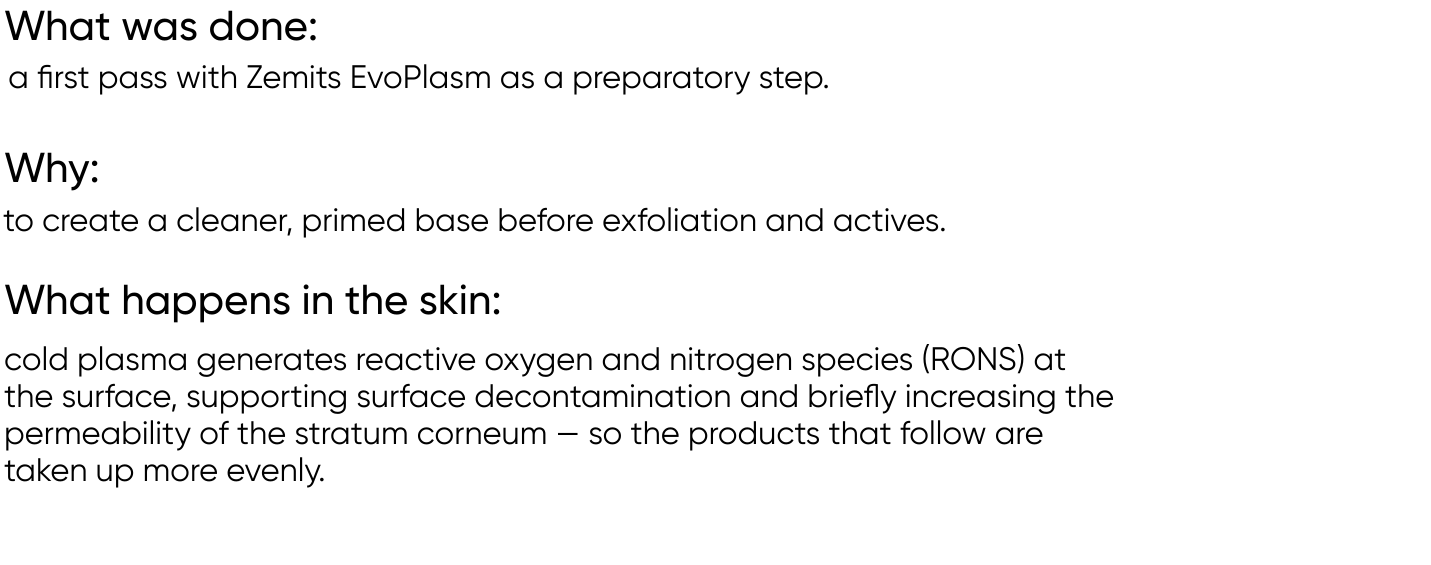
Step 2. Surface prep with cold plasma
Step 1. Double cleanse


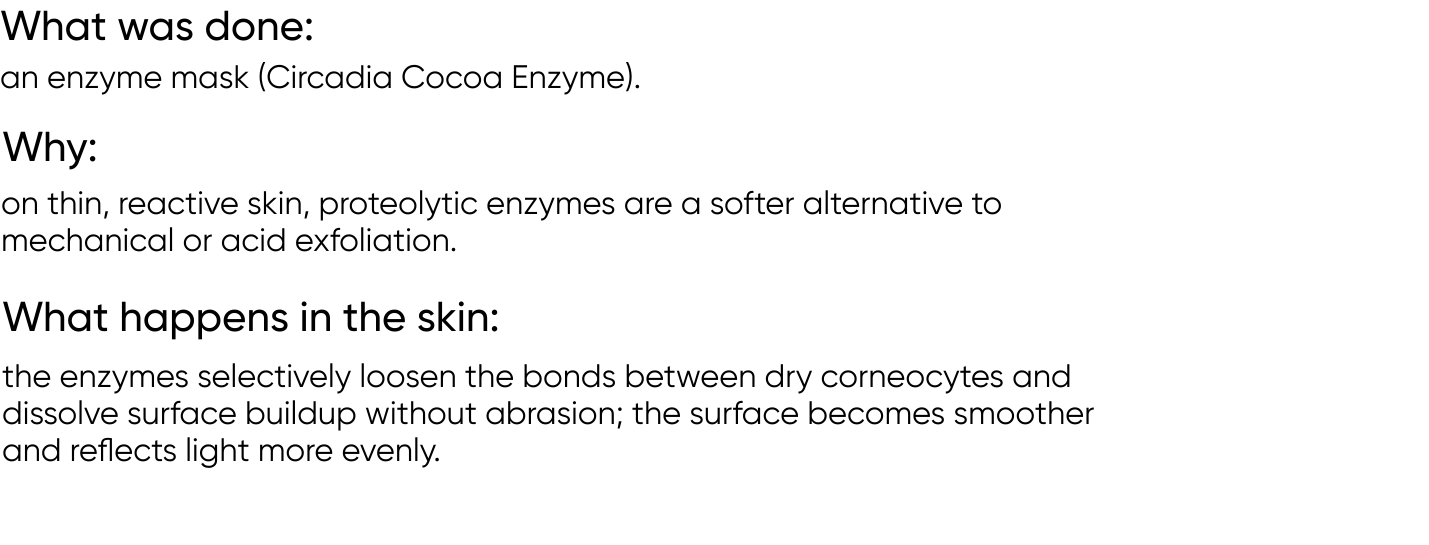
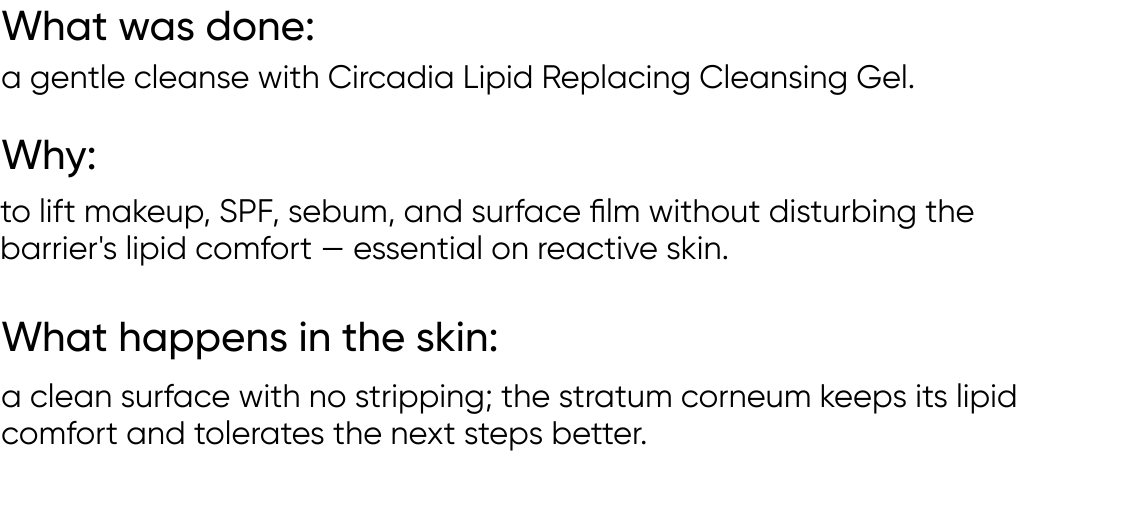
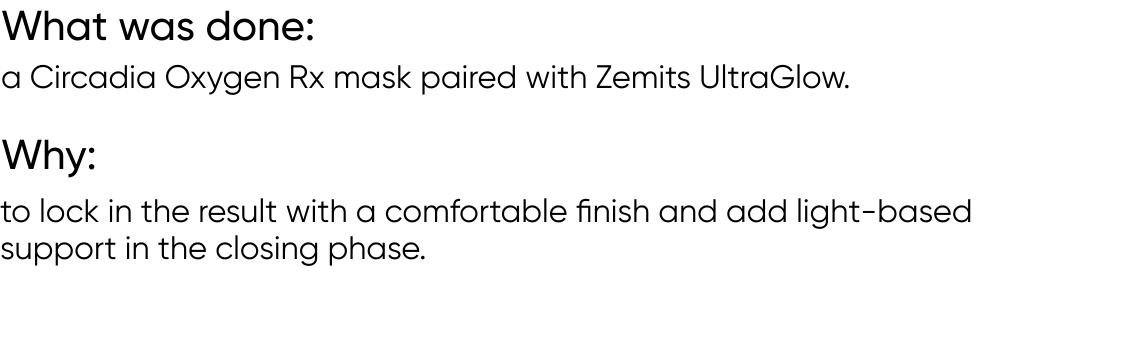
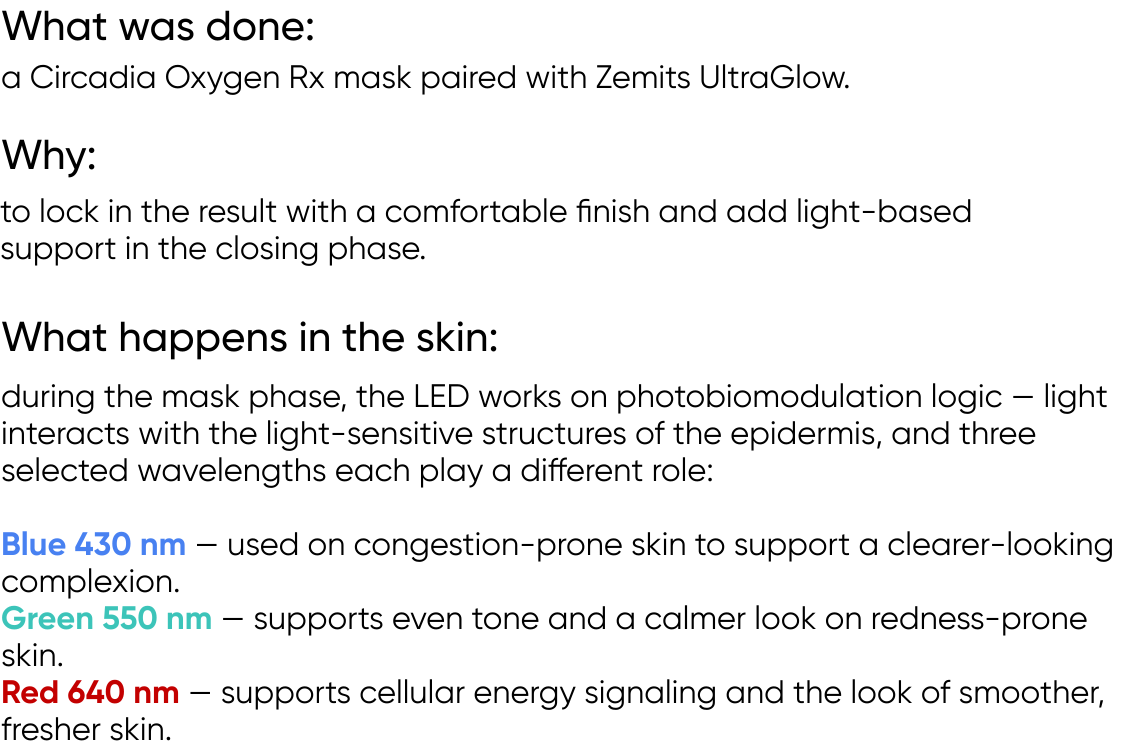
Step 7. Oxygen finish with LED
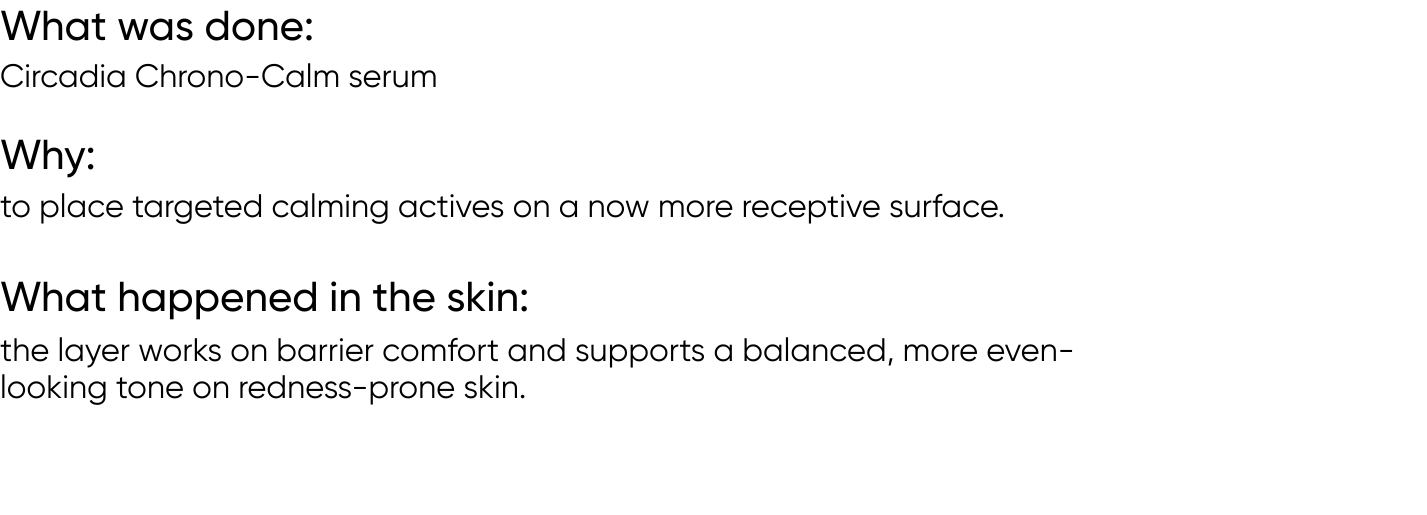
Step 6. Calming layer

Step 5. Second plasma pass

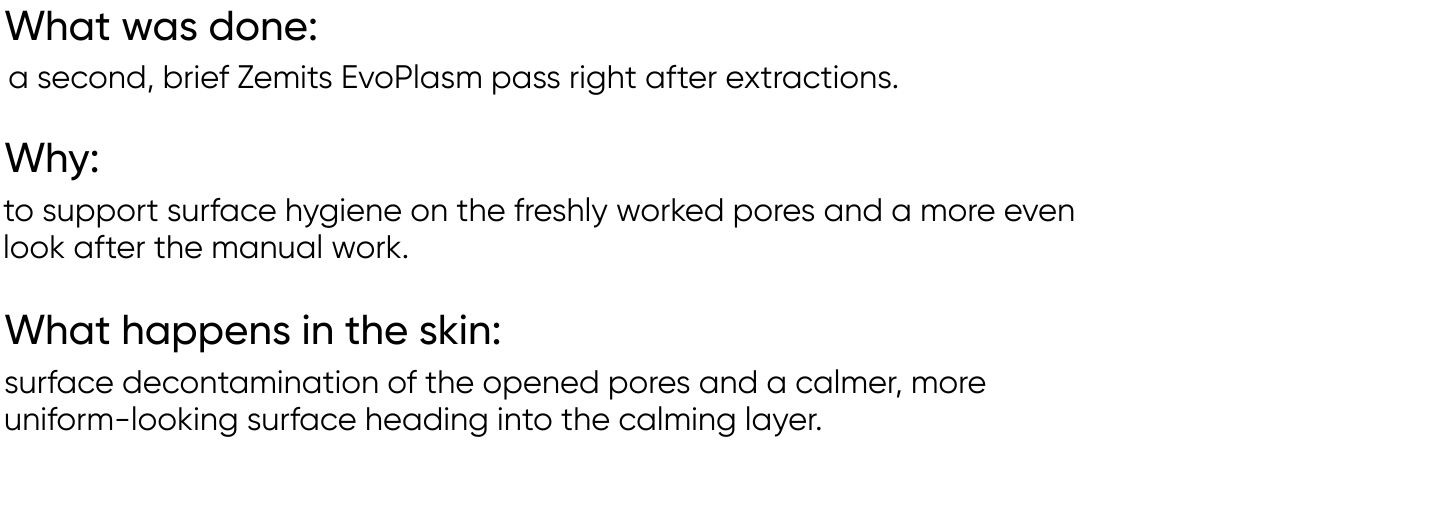
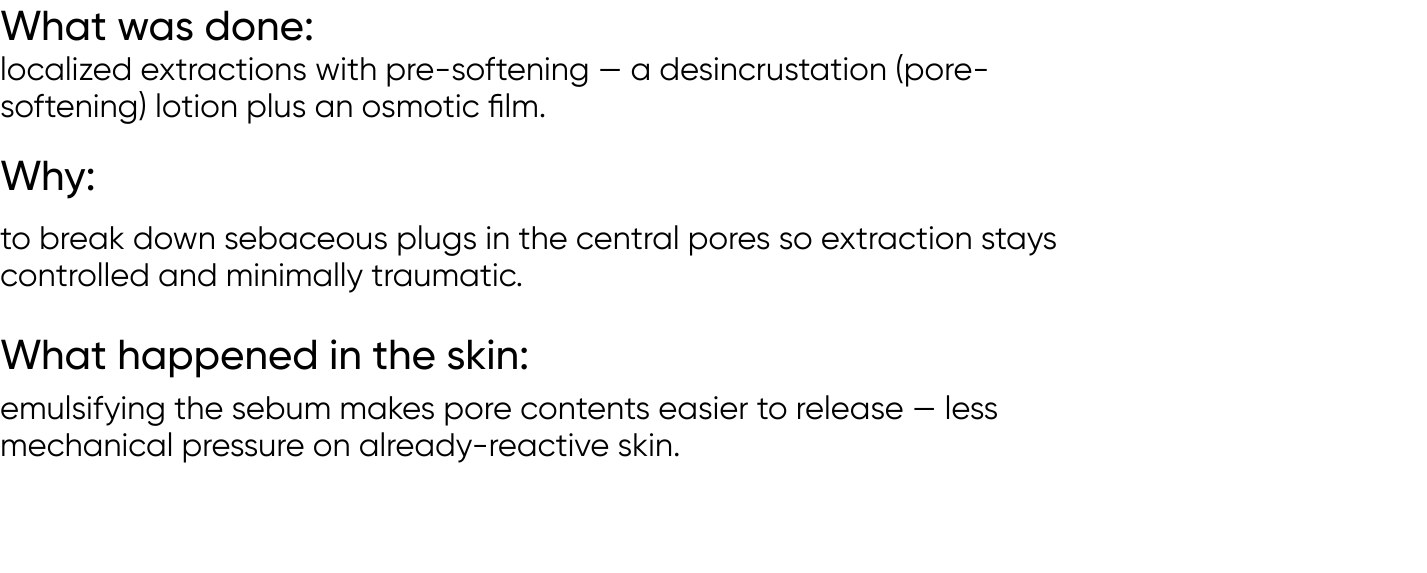
Step 4. Targeted manual extractions



Visible Result After One Session
Protocol Synergy:
Why It Worked
Why It Worked
The result came from the order, not from any single technology. The surface was gently prepped and cleaned first, then exfoliated without stress and the pores worked carefully, and only then were calming actives and a light-based finish applied to skin that was already receptive.


After a single session, the skin looked:
- calmer, with less visible redness;
- more even in tone;
- more hydrated-looking;
- smoother in texture;
- with a healthy, natural-looking glow;
- with no sign of surface trauma.
The Zemits Technologies Used in This Protocol